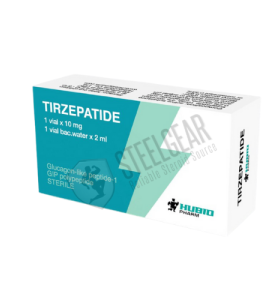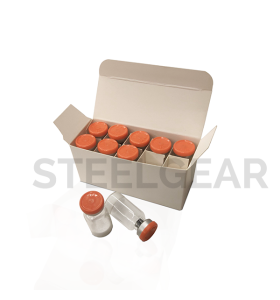


TIRZEPATIDE 5 No Label

 Ask us anything on Telegram!
 Anabolic steroids can have significant effects on the body and should only be used under proper guidance. Misuse or unsupervised use can lead to health complications. These may include hormonal imbalances, liver strain, cardiovascular issues, psychological effects, and more.
If you choose to use anabolic steroids, it is essential to do so responsibly and only obtain them from trusted, verified sources.
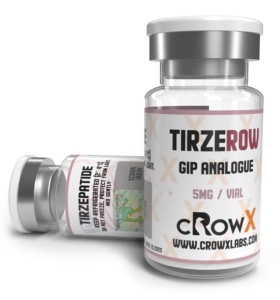
TIRZEPATIDE 5 mg
Important Disclaimer: The information provided in this article is intended strictly for general informational and scientific review purposes. TIRZEPATIDE 5 mg (No Label) is discussed here exclusively from the perspective of an investigational "research compound." This text does not constitute definitive medical advice, nor does it guarantee specific health outcomes. Always conduct your own comprehensive research and consult with a licensed medical professional or endocrinologist before considering the use of any investigational supplement or peptide.
What is TIRZEPATIDE (GIP and GLP-1 Receptor Agonist)?
Tirzepatide is a novel, synthetic peptide drug currently at the cutting edge of metabolic research. It is classified as a dual agonist, meaning it targets both the GIP (Glucose-Dependent Insulinotropic Polypeptide) and GLP-1 (Glucagon-Like Peptide-1) receptors.
In clinical research, these two receptors are known to play a vital role in the body's natural glucose regulation. By mimicking both hormones, Tirzepatide is hypothesized to enhance the body's glucose regulatory ability more effectively than single-receptor agonists. While its primary focus began with Type 2 diabetes research, it is now extensively studied for its potent influence on appetite regulation and fat metabolism.
Investigational Benefits of Tirzepatide
Scientific studies into Tirzepatide highlight several core therapeutic potentials:
Regulation of Blood Sugar: Research suggests the compound stimulates insulin secretion while inhibiting glucagon secretion, leading to more stable blood glucose levels in diabetic profiles.
Profound Weight Loss: The compound has exhibited intensive activity in promoting weight reduction. By modulating hunger signals in the brain and slowing gastric emptying, it is studied for its efficacy in both diabetic and non-diabetic research subjects.
Enhanced Cardiovascular Markers: Observations indicate that Tirzepatide may help reduce cardiovascular risks by positively impacting cholesterol levels and blood pressure through weight reduction.
Anti-inflammatory Activity: Preliminary data shows the compound may inhibit systemic inflammation, which is particularly beneficial for subjects with chronic metabolic conditions.
Technical Specifications & Application
| Feature | Research Detail |
| Active Substance | Tirzepatide |
| Concentration | 5 mg per vial |
| Classification | Dual GIP & GLP-1 Receptor Agonist |
| Package Content | 1 Vial (No Label) |
How to Use Tirzepatide Peptides in Research
In laboratory and clinical research settings, Tirzepatide is typically evaluated using the following protocols:
Administration: Typically administered via subcutaneous injection.
Frequency: Generally researched using a once-weekly schedule to maintain steady-state levels in the subject.
Titration: Dosing should be carefully titrated—starting at a lower concentration and gradually increasing—to optimize blood glucose control and minimize gastrointestinal side effects.
Monitoring: Weekly clinical follow-ups are considered essential to monitor subject tolerance and ensure protocol safety.
Possible Side Effects
Even within controlled research settings, the compound must be studied under strict medical monitoring. Like other incretin mimetics, potential side effects observed in research include:
Gastrointestinal Distress: Nausea, vomiting, diarrhea, or constipation (most common during the titration phase).
Hypoglycemia Risk: Potential for low blood sugar when combined with other glucose-lowering agents.
Systemic Response: Mild headaches, fatigue, or injection site irritation.
Conclusion: Tirzepatide 5 mg represents a significant evolution in the study of metabolic health. Its dual-agonist mechanism offers a more comprehensive approach to blood sugar regulation and weight management research compared to traditional single-hormone therapies.


-280x300w.jpeg "Dynabol Lite 10 mg 100 Tabs Beligas Pharma USA")